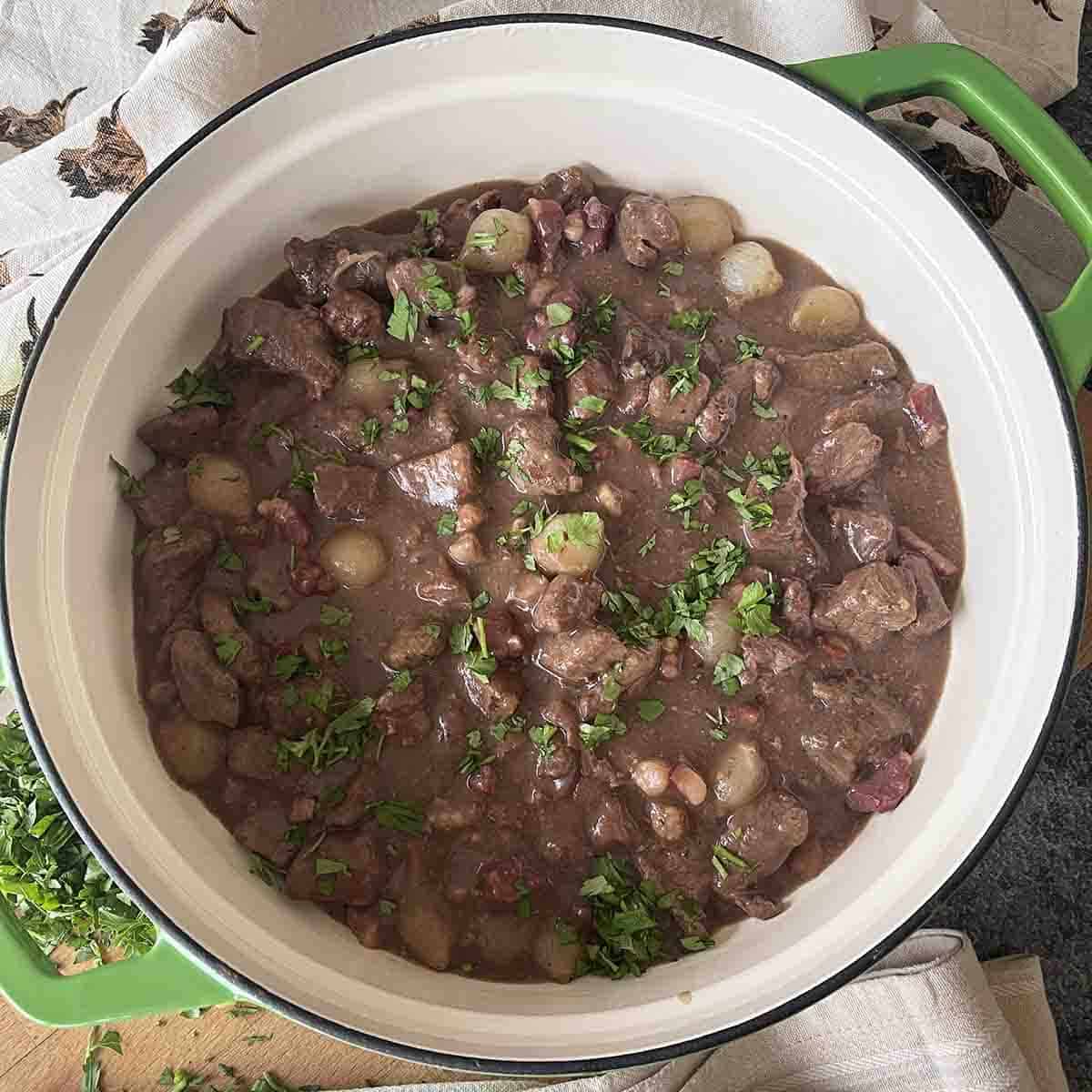
Imagine a dish so deeply comforting, so rich in flavor, that it transports you straight to the rustic kitchens of rural France. That, my friends, is the magic of beef bourguignon. This isn't just any beef stew; it’s a masterpiece of slow-cooked perfection, where humble ingredients are transformed into something truly extraordinary. With fork-tender beef, aromatic vegetables, and a luxurious, wine-infused sauce, beef bourguignon offers an unparalleled culinary experience.
Often perceived as a complicated dish reserved for professional chefs or special occasions, we're here to demystify it. Our goal is to show you how to achieve that melt-in-your-mouth beef and a velvety red wine sauce with an "easy" approach, proving that this French classic is well within your reach. Get ready to impress your taste buds and your guests without spending all day in the kitchen.
What Makes Beef Bourguignon So Special?
At its heart, beef bourguignon is a classic French stew that hails from the Burgundy (Bourgogne) region, famous for its exceptional wines and hearty cuisine. It’s a dish born out of necessity, traditionally designed to make the most of more affordable cuts of beef by braising them for hours in the region's local red wine until they become incredibly tender and flavorful. But it's far more than just beef and wine.
A true beef bourguignon is a symphony of flavors, layering crispy bacon, sautéed onions, carrots, and mushrooms with succulent chunks of beef chuck. These elements simmer together in a rich red wine sauce, often fortified with garlic, fresh herbs like thyme and bay leaf, and sometimes a touch of tomato paste for added depth. The result is a profoundly savory and satisfying dish that stands apart from a typical beef stew. While both involve slow-cooked beef, beef bourguignon is defined by its specific Burgundian wine base and the careful building of its distinct, complex flavor profile. It’s an iconic dish, famously popularized by culinary legends like Julia Child, who brought this elegant peasant fare to American tables and made it a glamorous staple of French cooking.
Its versatility makes it a perfect dish for a cozy date night, weekend entertaining, or even holiday gatherings. It pairs beautifully with simple sides like creamy mashed potatoes, wide egg noodles, or a crusty baguette perfect for soaking up every last drop of that incredible sauce. For a deeper dive into its origins and flavor secrets, you might enjoy reading our article on Beef Bourguignon History & Secrets for Deep French Flavor.
The Secrets to Truly Tender Beef in Your Bourguignon
The hallmark of a great beef bourguignon is beef so tender it practically melts in your mouth. Achieving this isn't difficult, but it does require understanding a few key principles.
Choosing the Right Cut
The foundation of tender beef starts with the right cut. For beef bourguignon, beef chuck is non-negotiable. This cut, typically from the shoulder, is rich in collagen and connective tissue. While these make it tough if cooked quickly, slow braising at a low temperature allows the collagen to break down into gelatin, infusing the meat with moisture and creating that luscious, fall-apart texture we crave. Cut your beef chuck into uniform 1.5- to 2-inch pieces to ensure even cooking.
The Power of Browning: The Maillard Reaction
Before any braising begins, browning the beef is a crucial step that contributes immensely to the depth of flavor. This isn't just about color; it's about the Maillard reaction – a complex chemical process that creates hundreds of new flavor compounds. To achieve this, ensure your pan (ideally a heavy-bottomed Dutch oven) is hot and don't overcrowd the beef. Brown the pieces in batches, leaving plenty of space between them. If you pile them all in, they'll steam instead of brown, and you'll miss out on those delicious, caramelized crusts. This golden-brown exterior creates a savory foundation that will permeate the entire stew as it simmers.
The Art of Slow Braising
Once browned, the beef and other ingredients are submerged in liquid – primarily red wine – and cooked slowly, usually covered, for several hours. This slow braising process is where the magic truly happens. Whether in the oven or on the stovetop, maintaining a gentle simmer allows the heat to gradually tenderize the tough fibers of the beef chuck, transforming it into velvety succulence. The covered pot traps moisture, ensuring the beef remains juicy and doesn't dry out. Typically, 2 to 3 hours of simmering is enough to achieve that desired fork-tenderness, but some recipes might call for longer, depending on the size of your beef pieces and your specific cut.
Crafting the Perfect Red Wine Sauce: The Heart of Bourguignon
Beyond the tender beef, the rich, silky red wine sauce is arguably the star of beef bourguignon. It’s a complex tapestry of flavors built layer by layer.
The Indispensable Wine Choice
The red wine is not merely a cooking liquid; it is a central flavor component. For an authentic bourguignon, use a dry, medium-bodied red wine from the Burgundy region, such as a Pinot Noir. Avoid anything sweet or labeled "cooking wine," as these often contain additives and lack the depth of flavor you need. A good rule of thumb: if you wouldn't drink it, don't cook with it. The wine adds acidity, fruit notes, and a deep, earthy quality that defines the dish.
Building Layers of Flavor
The sauce's complexity comes from the sequential addition and cooking of ingredients:
- Bacon Render: Start by rendering diced bacon until crisp. The rendered fat provides a flavorful base, and the crispy bacon pieces are often reserved for garnish or added back at the end.
- Aromatics: Sautéing chopped onions, carrots, and garlic in the bacon fat sweetens and softens them, contributing essential aromatic notes.
- Mushrooms: Adding mushrooms and sautéing them until they release their moisture and brown adds a wonderful umami depth.
- Deglazing: After browning the beef and sautéing aromatics, the pan will have delicious browned bits (fond) stuck to the bottom. Deglazing with red wine helps to scrape up and dissolve these bits, incorporating all that concentrated flavor into the sauce.
- Herbs and Tomato Paste: A touch of tomato paste adds a subtle tang and rich color, while fresh thyme and bay leaves infuse the sauce with classic herbal notes.
Achieving a Silky, Thick Sauce
A classic beef bourguignon sauce should be luxurious and velvety, not watery. Here are a few ways to achieve this:
- Flour-Coated Beef: A common and easy technique is to lightly dust the browned beef cubes with flour before adding the liquid. As the stew simmers, the flour thickens the sauce naturally, creating a beautiful sheen and consistency.
- Flour Slurry or Roux: If you prefer, you can create a quick flour slurry (flour mixed with a little water or wine) and whisk it in during the last 30-60 minutes of cooking, allowing it to simmer and thicken. Alternatively, a quick roux (flour cooked in fat) can be made before adding the wine.
- Reduction: If your sauce is too thin at the end, simply remove the beef and vegetables, then simmer the sauce uncovered for 10-15 minutes to reduce and concentrate it further.
Streamlining Your Bourguignon for Everyday Elegance
The "easy" in "Easy Beef Bourguignon" comes from smart planning and a few strategic shortcuts that don't compromise flavor. This isn't about cutting corners but optimizing your efforts.
The One-Pot Wonder: Your Dutch Oven
A heavy-bottomed Dutch oven is your best friend for this recipe. It distributes heat evenly, retains moisture beautifully, and allows you to brown the beef, sauté vegetables, deglaze, and braise all in the same pot. This not only minimizes cleanup but also ensures all those precious flavor layers build up cohesively in one vessel. Less dishes, more deliciousness!
Prep Ahead for Ease
Most of the "work" in beef bourguignon is in the chopping. Dedicate 20-30 minutes to prep all your ingredients – cube the beef, dice the bacon, chop onions and carrots, slice mushrooms. Having everything ready (mise en place) before you start cooking makes the actual process flow smoothly and feel much less daunting. You can even chop vegetables a day in advance and store them in airtight containers.
Batch Cooking and Freezing
Beef bourguignon is an ideal dish for batch cooking. It often tastes even better the next day as the flavors have more time to meld and deepen. Make a large batch and enjoy leftovers for days, or portion and freeze it for future quick, gourmet meals. It reheats beautifully, making it perfect for busy weeknights when you crave something truly special.
Serving Suggestions to Complete Your French Feast
Once your beef bourguignon is tender and its sauce is perfectly rich, the only thing left is to serve it alongside complementary dishes that elevate the entire meal.
- Creamy Mashed Potatoes: The ultimate classic pairing. Their smooth texture and buttery flavor perfectly complement the rich stew, and they're excellent for soaking up every drop of that exquisite sauce.
- Crusty French Bread or Baguette: Essential for wiping the bowl clean! A warm, crusty bread adds texture and is ideal for savoring the last bits of gravy.
- Wide Egg Noodles: A simpler alternative to potatoes, wide egg noodles provide a wonderful bed for the stew.
- Steamed Green Beans or Asparagus: A light, fresh green vegetable adds a welcome contrast and a pop of color to the rich dish.
- Simple Green Salad: A crisp salad with a tangy vinaigrette offers a refreshing counterpoint to the richness of the stew, cleansing the palate.
For more detailed step-by-step instructions and a definitive recipe, be sure to check out The Best Beef Bourguignon Recipe: Master This French Classic.
Making a show-stopping beef bourguignon doesn't have to be an intimidating affair. By understanding the critical steps—choosing the right beef, browning it properly, selecting a good wine, and allowing it to braise slowly—you can achieve a truly tender, deeply flavorful dish with a luxurious red wine sauce. This classic French stew is the epitome of comfort food, proving that simple ingredients and patient cooking can create culinary magic. So, grab your apron, gather your ingredients, and prepare to create an unforgettable meal that will delight your senses and warm your soul.
